
Paul Guiragossian: 100 Years of Art

17 October, 2026
17 January, 2027

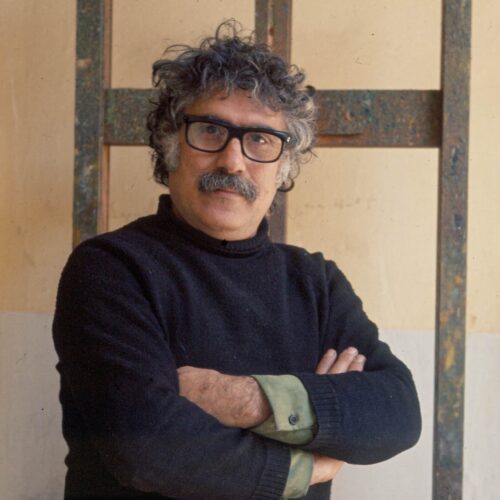
Paul Guiragossian

Born in Jerusalem to an Armenian family whose lives were profoundly shaped by the tragedies of 1915, from an early age Paul Guiragossian experienced the consequences of exile. This shaped his lifelong engagement with the human condition and faith in humanity’s capacity for renewal and hope. The upheavals of 1948 forced the family into exile in Lebanon, which became his home and the center of his artistic life. In the 1960s, Guiragossian emerged as one of the most celebrated painters in Lebanon. A thinker, lecturer and humanitarian, he frequently spoke about art in relation to human history, denounced violence in all its forms and stood with the marginalized.


He exhibited extensively across Europe, the Arab world, and the United States. His works are held in collections worldwide including the Centre Pompidou, the Institut du Monde Arabe, the British Museum, the Sursock Museum, and Mathaf: Arab Museum of Modern Art. Today, Guiragossian is recognised as one of the most important painters and humanist voices to emerge from the region in the twentieth century. His art continues to resonate across cultures and generations through its enduring affirmation of our shared humanity.

Marking the centenary of his birth, Paul Guiragossian. 100 Years of Art traces the life and work of Paul Guiragossian (1926–1993), one of the most important figures of modern Lebanese and Arab art. Developed in collaboration with the Paul Guiragossian Foundation, the exhibition brings together works drawn primarily from the artist’s estate. Structured as a chronological journey, it follows his artistic evolution from his early years in an Armenian family shaped by displacement and migration, including the 1948 relocation from Jaffa to Lebanon, through to his recognition as one of the most important painters to emerge from the region in the twentieth century.


From the figurative portraiture of his early years to the elongated silhouettes of his final decade, the works on view show the evolution of his artistic language, built on his conviction that the human figure, however abstracted, “will remain beautiful.” Early self-portraits and portraits of his mother open the exhibition, while paintings of his wife Juliette and daughter Manuella reflect his focus on his own family as a recurring subject. The exhibition closes with works from the final years of his life.


Alongside his paintings, archival photographs and personal documents, many rarely seen, offer a more intimate portrait of the artist. Particular attention is given to the three women who profoundly influenced his personal and artistic path: his mother Rahel, whose experience of displacement informed his lifelong search for belonging; his wife Juliette, his muse and steadfast companion; and his daughter Manuella, who continues to preserve and share his legacy today. Through his singular commitment to the human figure, Guiragossian transformed personal experience into something universal that continues to resonate across cultures and generations.
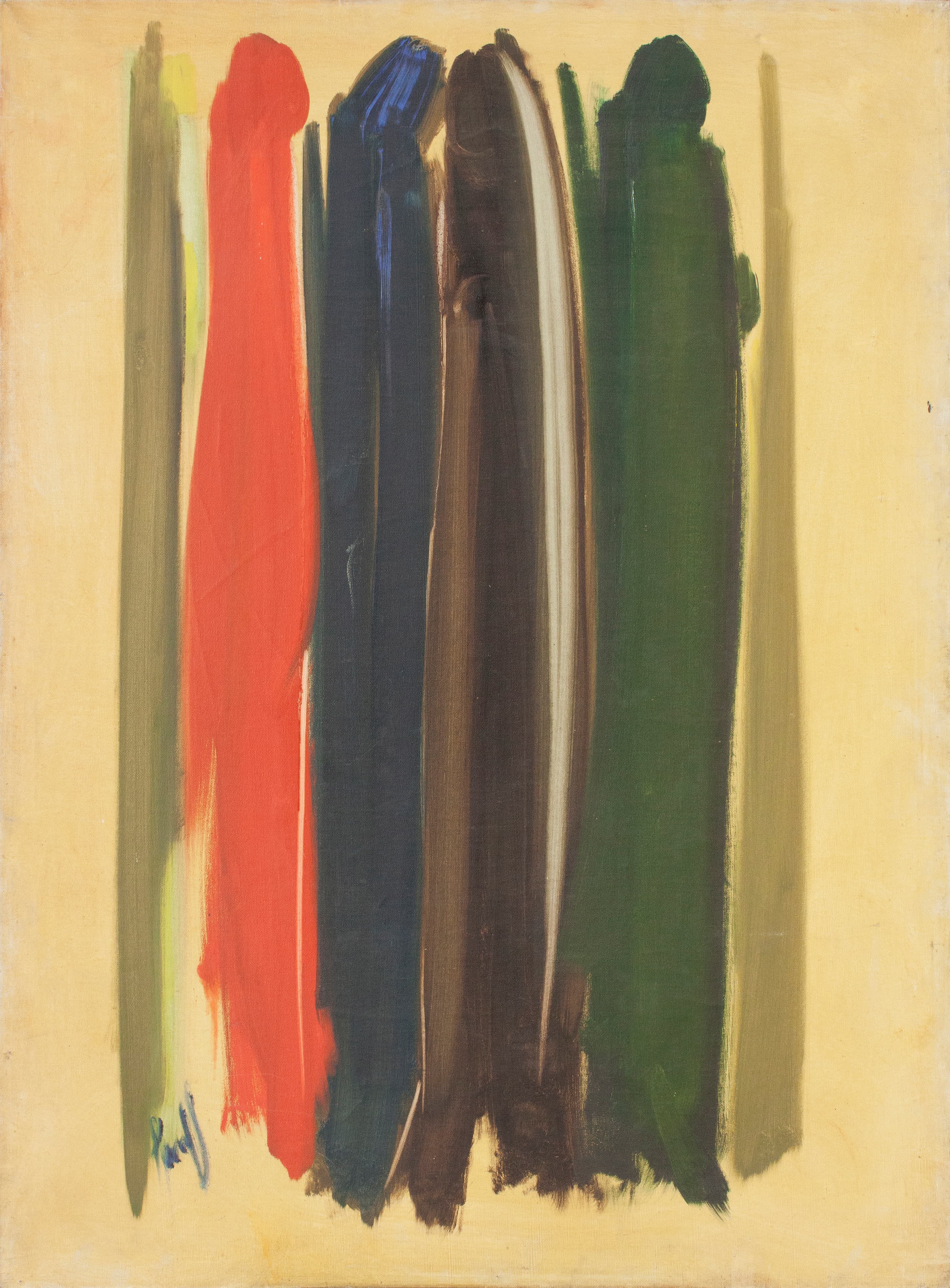
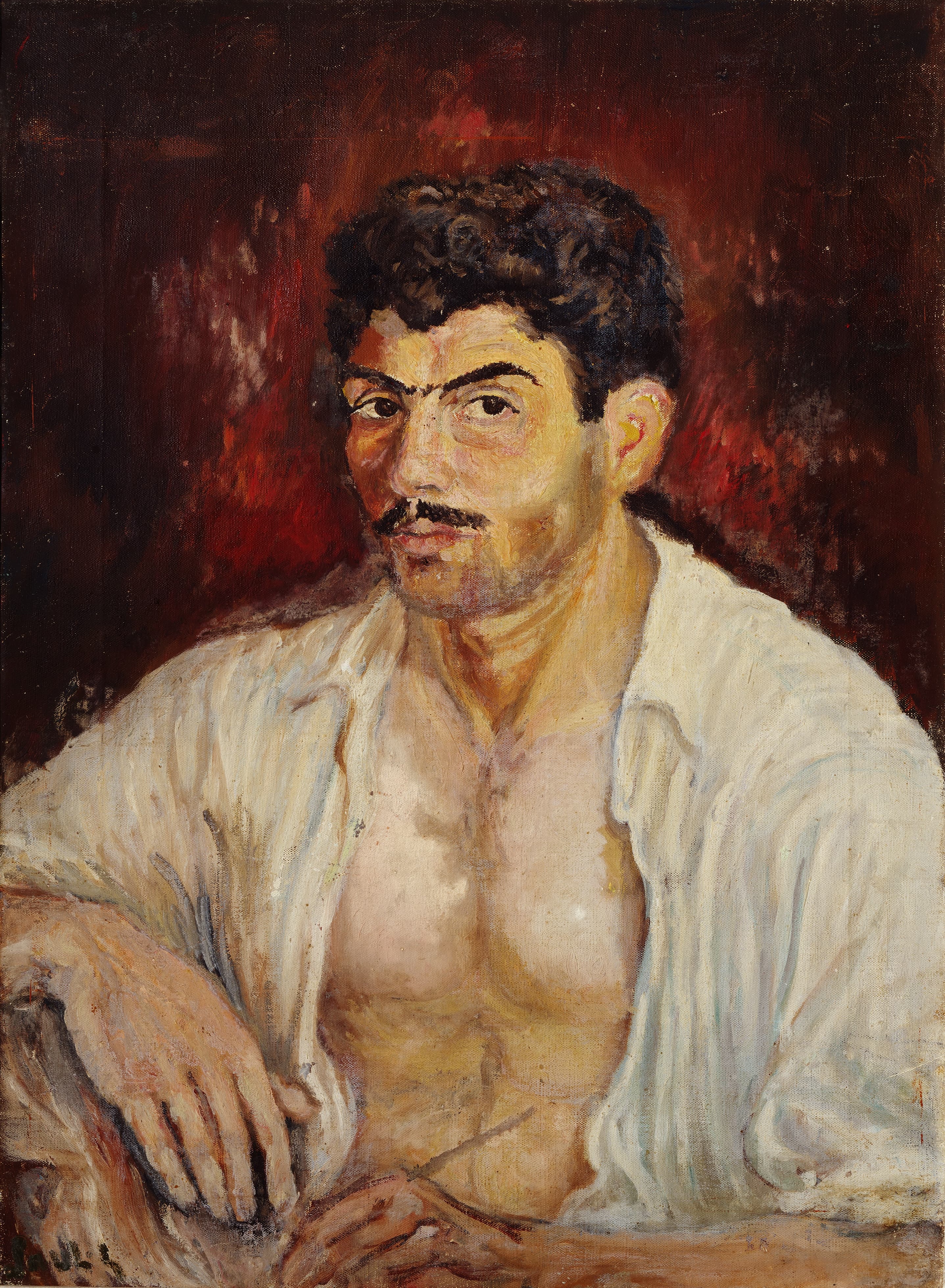
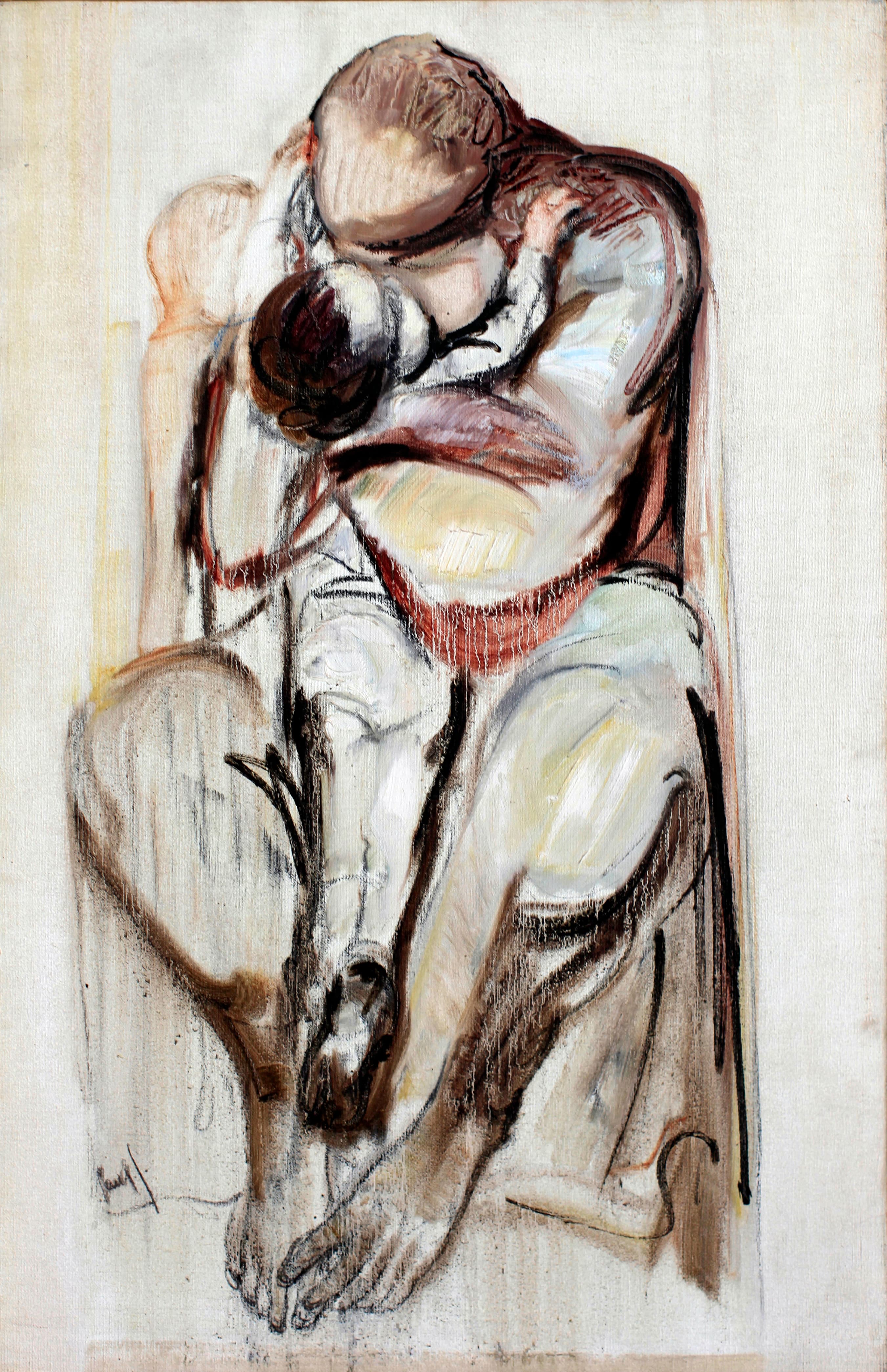
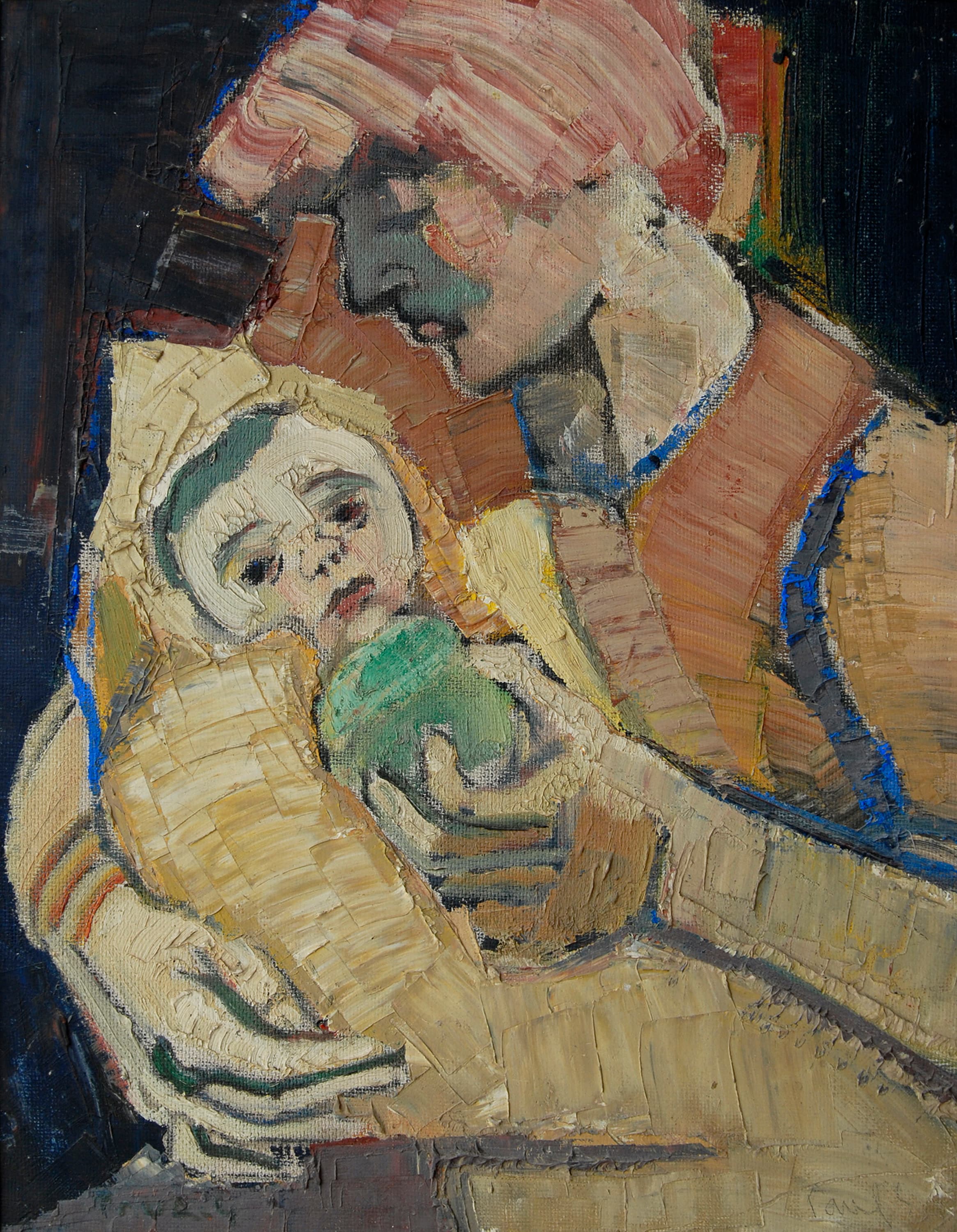
Paul Guiragossian, (Armenia–Lebanon, 1926–1993)
Silence
1968
165 x 120 cm
Oil on canvas
Courtesy of Paul Guiragossian Estate Collection
Paul Guiragossian, (Armenia–Lebanon, 1926–1993)
Autoportrait (Self-Portrait)
1948
54.5 x 39.5 cm
Oil on canvas
Courtesy of Paul Guiragossian Estate Collection
Paul Guiragossian, (Armenia–Lebanon, 1926–1993)
L’Étreinte
1973
100 x 65 cm
Oil on canvas
Courtesy of Paul Guiragossian Estate Collection
Paul Guiragossian, (Armenia–Lebanon, 1926–1993)
Juliette et Mano
1955
50 x 40 cm
Oil on Masonite
Courtesy of Paul Guiragossian Estate Collection
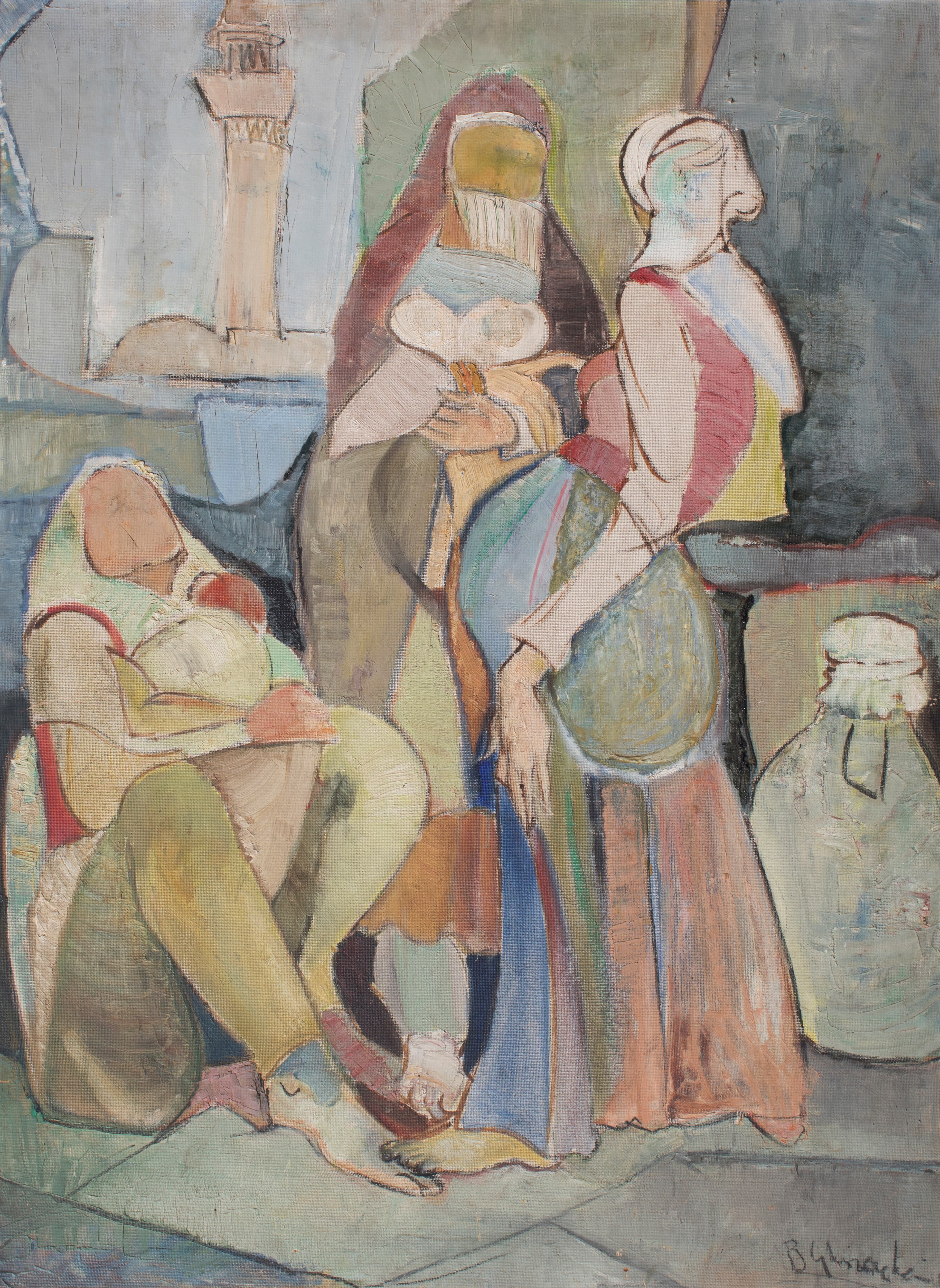
Paul Guiragossian, (Armenia–Lebanon, 1926–1993)
Femmes en Conversation
1951
121 x 87.5 cm
Oil on Masonite
Courtesy of Paul Guiragossian Estate Collection
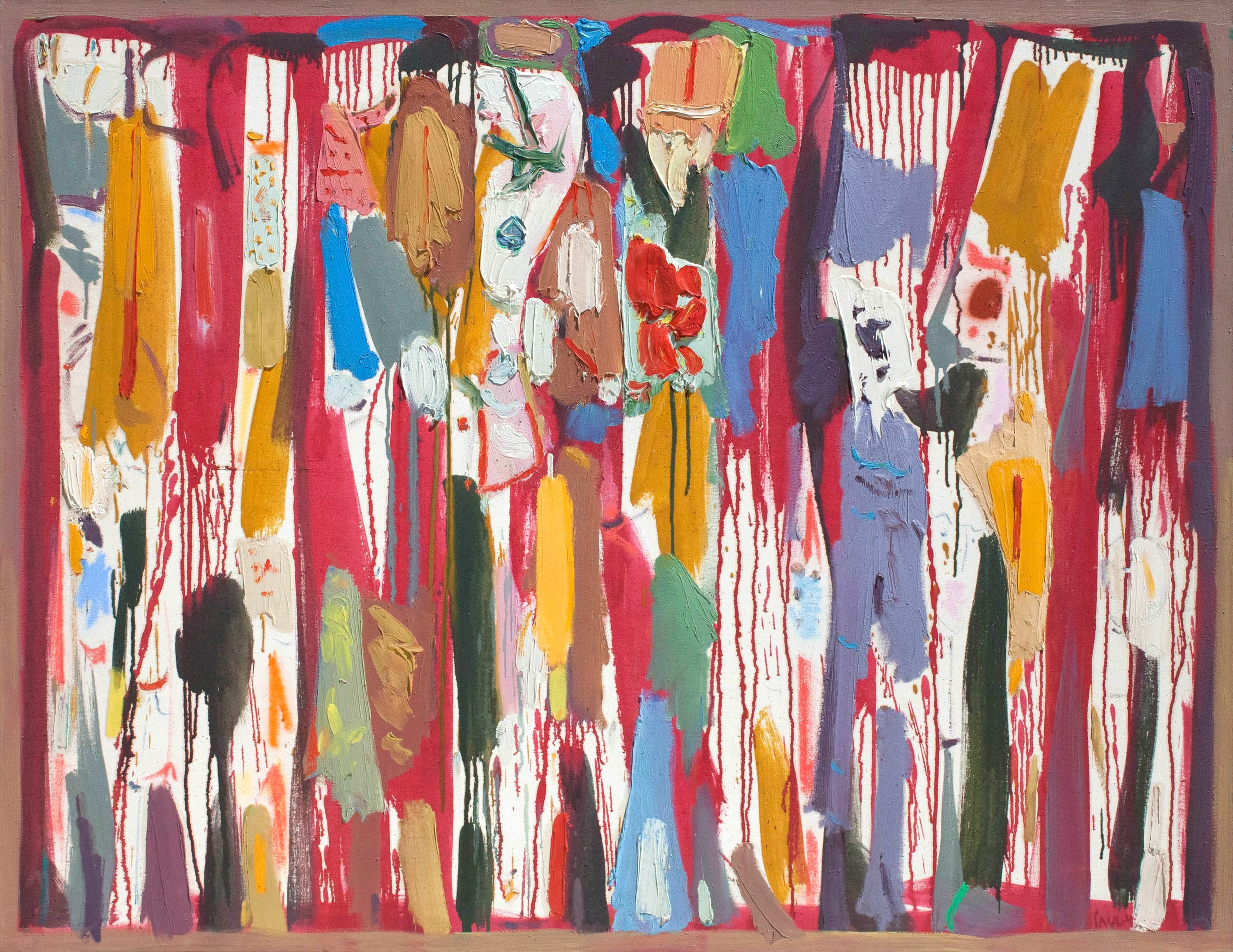
Paul Guiragossian, (Armenia–Lebanon, 1926–1993)
Pourpre
circa 1986
130 x 170 cm
Oil on canvas
Courtesy of Paul Guiragossian Estate Collection

Museum Hours

9:30–6:00, Monday Until 8:00

Museum Location

2270 S Real Camino Lake California

The Loquet Museum fuels a journey of discovery across time to enable
solutions for a brighter future rich in nature and culture.